Vegan leather has been a wise choice for sustainable fashion. It offers a mix of style with no cruelty and less of an environmental footprint. But is it really as green as it claims? The reality is more complicated. Not all vegan leather is created in an environmentally friendly way: Some is made from the kind of plastic that can be bad for the planet. These are made out of plants in a manner that may be more sustainable. Here’s what you need to know about the environmental impact of real and vegan leather — and how you can make more sustainable choices. This article explores the truth behind vegan leather and what you need to know before buying your next bag or jacket.
Vegan leather is a material that’s designed to look and feel like traditional leather, but without the use of animal skin. It may be fabricated from plastics such as polyurethane or polyvinyl chloride. These synthetic products are then processed and embossed to feel like leather. There are also vegan versions made from pineapple leaves, apple peels, cactus and mushrooms. Each product has its own strengths and environmental attributes. Vegan leather is increasingly being used in shoes, handbags, jackets and furniture. Though it is appealing to people interested in avoiding animal products, the production process may vary widely in its environmental impact.
Genuine leather is the real deal, but nothing more than that; you will get animal hides, mainly from cows. The cattle sector is a major source of carbon emissions. Livestock farming uses lots of water and drives deforestation in certain areas. Tanning involves toxic chemicals that leach into water systems and harm workers. Leather is tough, but it requires a tremendous amount of energy to produce. The demand for leather goods is increasing globally, exerting greater pressure on natural resources. These are all things that may make vegan options more attractive to consumers.
Vegan leather is advertised as environmentally friendly and animal-cruelty-free. It avoids the ethical issues of raising animals and the highly resource-intensive process of conventional leather production. Some vegan leather requires less water and generates fewer carbon emissions in the manufacturing process. It’s also attractive to wary, conscious-minded consumers who want stylish products but don’t want to do anything to harm animals. These advantages have seen vegan leather gain acceptance among many of the world’s largest fashion brands. It is frequently presented as a stylish, ethical and sustainable solution.
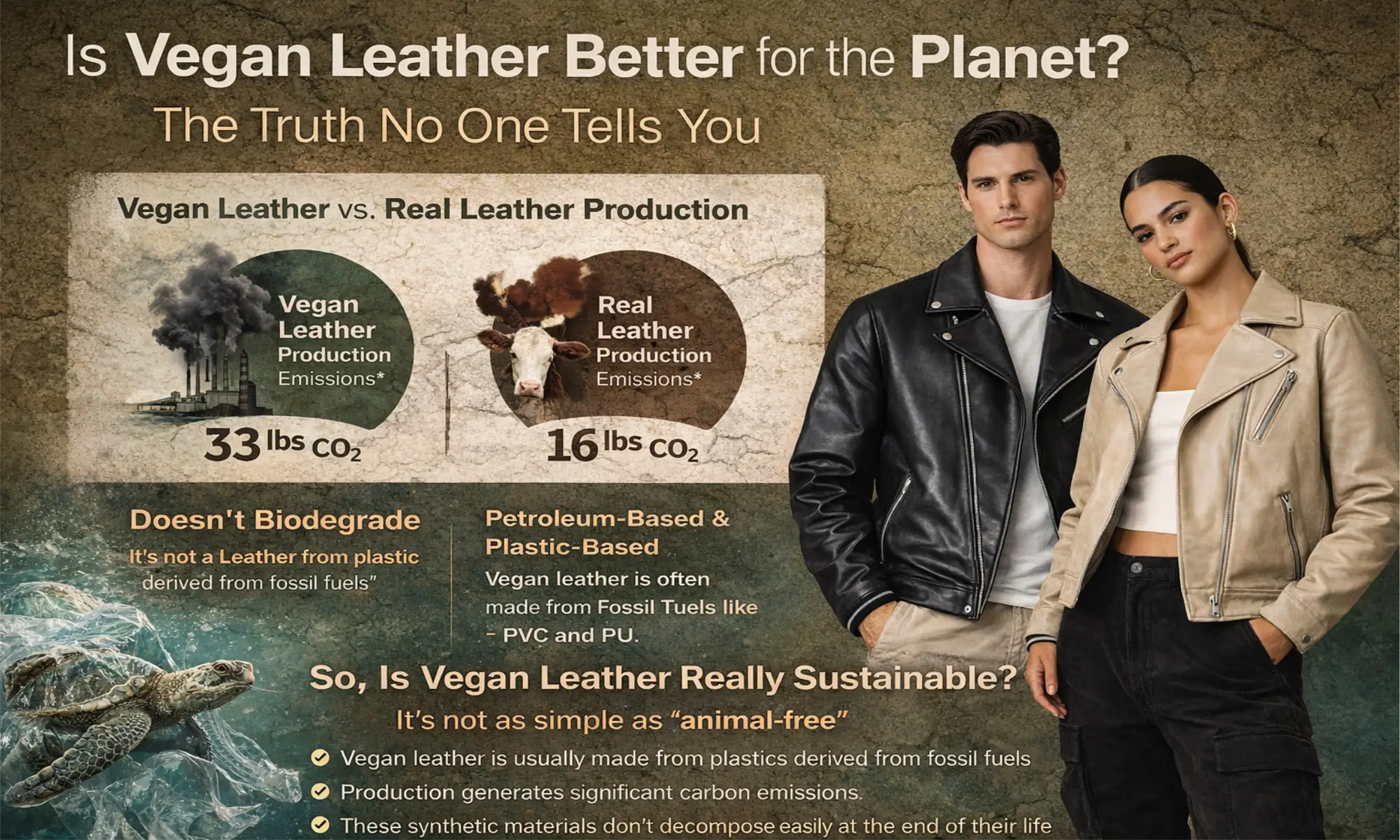
The green promise of vegan leather is not the full story. Most vegan leathers are made from plastics that derive from fossil fuels. The production process requires toxic chemicals that have the potential to contaminate air and water. Once discarded, synthetic vegan leather can biodegrade into microplastics, which are harmful to ecosystems. Plus, some products made from vegan leather don’t have the same longevity as true leather. They can chip or peel after a couple of years, requiring more frequent replacement and creating more waste. Selecting vegan leather is not necessarily the best choice in terms of the environment, and consumers should be conscious of these hidden costs.
Some vegan leathers are also made using plant materials, adding a more sustainable element to an environmentally harmful product. For example, pineapple leather is derived from the leaves left over after a harvest of pineapples, while apple leather comes from fruit waste, cactus leather grows rapidly and uses very little water and mushroom leather is biodegradable. Each option reduces reliance on petroleum-based materials and can minimize environmental impact. But these plant based leather aren’t perfect either. Some must be chemically treated to become durable, and it can be resource-intensive to make them in quantities large enough for products. The advancements in technology have led to better qualities and more sustainable plant-based leather.
Being eco-friendly takes some research. Seek out durable products with clear sourcing. Look for certifications such as Global Organic Textile Standard or OEKO-TEX that guarantee safer production practices. Consider quality over quantity. One well-made bag that lasts for years may be better for the environment than several cheaper options. And knowing what vegan leather is made from and how it’s made can help you make decisions that align with your values.
The leather industry is evolving. Innovative technologies are enabling lab-grown leather and biofabricated materials that offer both longevity and sustainability. Water use and chemical treatment are among the things companies are trying to cut. Consumer demand is driving the future of all leather, both traditional and vegan. By making informed product choices and backing innovation, consumers can encourage the fashion industry to embrace better practices. The future could involve fashionable leather alternatives that are actually kind to the planet.
The majority of artificial vegan leather isn’t biodegradable and can take decades to degrade in landfills. Plant alternatives are also less resistant to biodegradation, but some might need a special treatment.
It can be cheaper depending on the material and brand. Synthetic vegan leather is generally cheaper, but quality plant-based versions can be as expensive as traditional leather.
Some production methods use chemicals potentially harmful to workers. Ethical brands take great care in manufacturing processes and have transparent supply chains.
It’s also difficult to recycle vegan leather, particularly when it is synthetic. Some brands are creating take-back programs or using materials that can be upcycled.
Vegan leather isn’t automatically better for the planet. Though it avoids animal cruelty and offers potential to reduce certain types of environmental impacts, synthetic options often employ plastics and chemicals known as toxins in the service of sustainable “fashion.” Vegan leather made from plants is a close contender, but it just isn’t as accessible. The trick is to make informed decisions, focus on quality and consider the entire lifecycle of a product. Knowing the trade offs help consumers invest in sustainable fashion and mould an industry that puts both ethics and the environment ahead of profit.